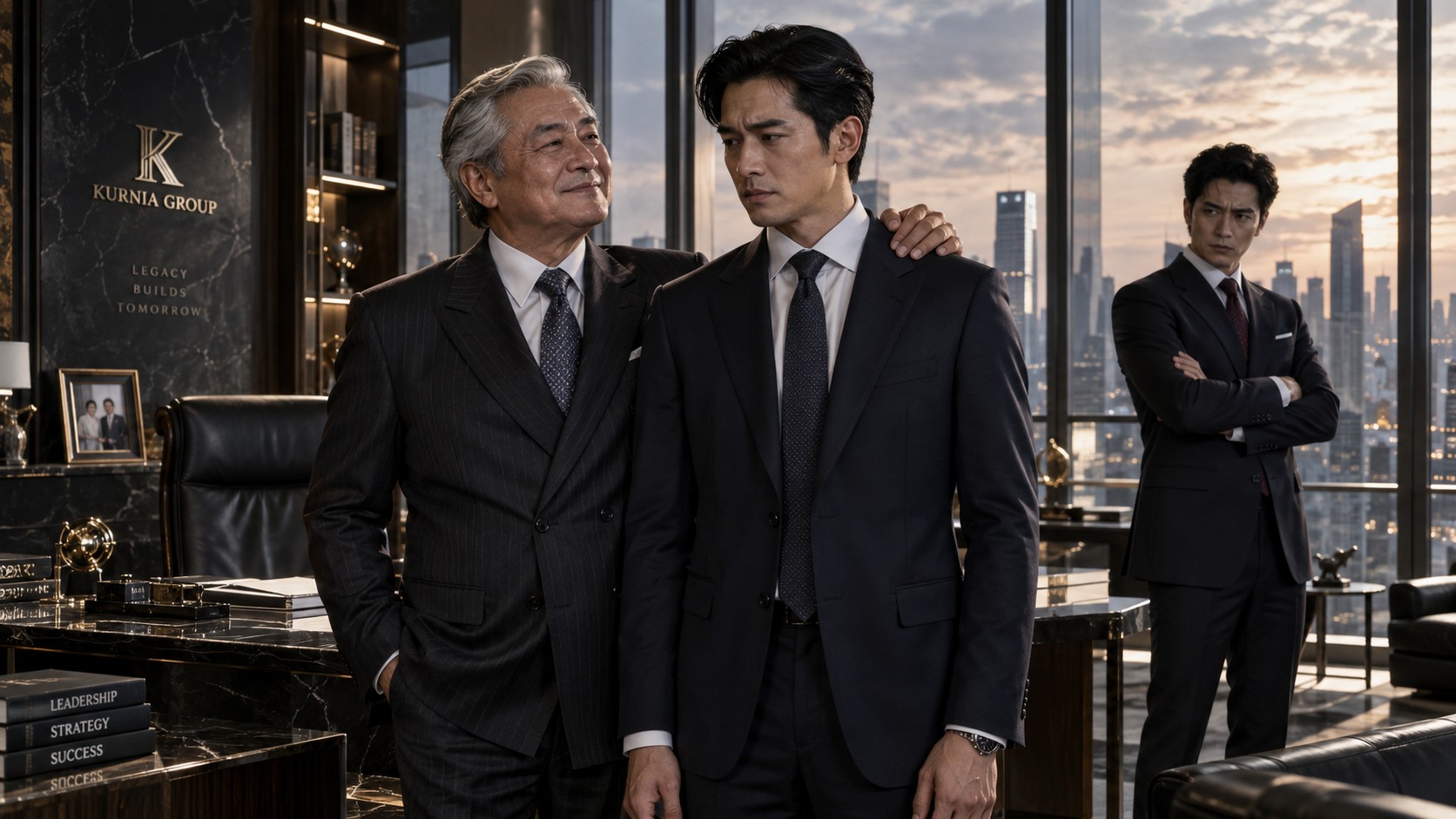

In a family business, who dares to challenge the founder? They built the business from the ground up. For decades, their judgment was unquestioned, their authority absolute, and their decisions were almost never challenged. However, time marches on. The founder is getting older. At this point, his physical and mental condition is no longer what it used to be. His emotions may become increasingly unstable. He gets angry more easily, becomes more suspicious, is harder to predict, and is less willing to accept others’ opinions. A minor mistake can set him off. Anyone who disagrees with him is immediately labeled a rebel. Even experienced executives must be extra careful when dealing with him.
The situation becomes even more complicated if the founder still holds absolute power and authority within the organization. As an experienced elder who has contributed so much to the business, he certainly deserves respect. However, his behavior in old age has the potential to bring down the business he has built over nearly his entire life. This is one of the most difficult situations a family business may face.
It should be noted that old age does not automatically undermine emotional stability or eliminate leadership ability. In fact, many leaders—even those over sixty years old—remain intellectually sharp, emotionally mature, and capable of making strategic and tactical decisions. However, sometimes the aging process leads to psychological changes that affect judgment, emotional regulation, and decision-making.
A leader who was once patient becomes easily frustrated. One who once enjoyed discussions becomes defensive. He repeatedly overturns his own decisions, accuses those around him of being incompetent (even those who are competent), and issues impulsive orders without regard for the consequences.
The danger isn’t merely that the founder is no longer pleasant to work with; rather, this emotional instability has serious repercussions for the organization.
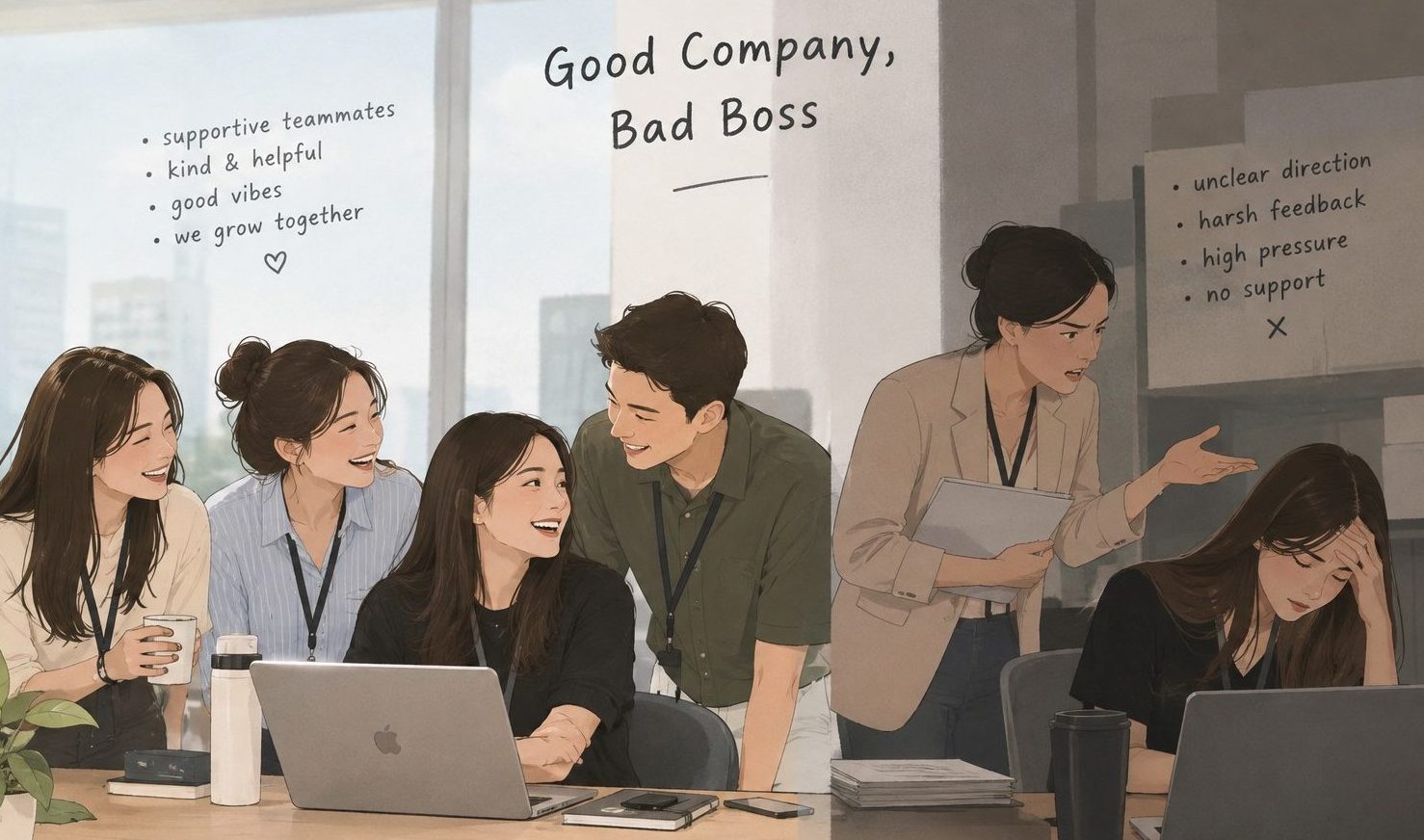
People no longer feel comfortable sharing their ideas and opinions honestly for fear of his uncontrolled reactions. Family members avoid sensitive conversations to maintain “peace.” Professionals are reluctant to take on responsibility because decisions can be changed on a whim.
Under such circumstances, the company is no longer run according to business management principles, but by the emotional state of a single person. This poses a serious problem for family businesses.
The fact that founders experience changes in their mental and emotional states as they age is indeed unavoidable. However, let’s examine this situation from the founder’s perspective.
The founder feels entitled to make all decisions because he is the one who worked so hard to build the business. The children feel indebted to him. They realize that their parent’s behavior is destructive, yet they understand it stems from aging. However, they cannot afford to be confrontational.
The more important question is whether the founder is still capable of performing his duties and responsibilities while in an emotionally unstable state?
A family business must be able to distinguish between the following: the founder’s status within the family, the history of their struggle to build the company, and their current capacity to lead the company.
As the head of the family, the founder’s status is irreplaceable and must be respected at all times. This respect must remain even if they no longer lead the company. As the business founder, they can be granted an honorable position without having to be involved in day-to-day operations—as a mentor to the company, for example.
However, if their behavior repeatedly undermines strategic decisions, intimidates employees, damages relationships with business partners, and threatens the company’s financial stability, action must be taken. The goal is not to punish or ostracize them, but to protect the company, on which the livelihoods of hundreds—or even thousands—of employees depend.
The first step is to conduct an independent assessment of their fitness to lead. This should include their decision-making capacity, emotional regulation, behavioral patterns, and ability to fulfill the essential responsibilities of their current position. If there are concerning changes, a medical evaluation should be conducted. Do not make your own assumptions regarding medical issues related to problematic behavior.
A leader should not be removed from their position simply because their children no longer feel comfortable with them. However, conditions that could pose a serious threat to both the individual and the organization must not be ignored.
A decline in a senior leader’s capabilities due to age can trigger a crisis. This can be prevented early on. How? Through family governance.
Succession planning must be carried out when everything is still going well. A family council can be established to manage family and business interests in such a way that they do not overlap. This includes defining the founder’s role after retirement.
If possible, the transfer of authority can be carried out gradually. Operational decision-making authority can be transferred to the successor, while the senior leader is given a meaningful role with clearly defined responsibilities.
Ultimately, the founder must realize (or be made to realize) that there comes a time when they must step down from leadership. This requires both courage and compassion. A founder who is aging—whose physical and mental condition is no longer what it once was—must never be humiliated, ostracized, or have their contributions disregarded.
#founder #family business #emotions #behavior #emotional state #status #assessment #family governance #succession planning