A legacy can take the form of stocks, buildings, factories, money, machinery, and so on. However, there is a unique kind of legacy whose value cannot be measured solely in financial terms: opportunities for the younger generation to thrive, the emergence of accomplished athletes, national pride, and the fostering of a culture of discipline within society.
This is where family business owners have the opportunity to do more than just grow their companies. They can play a role in the development of sports. Armed with financial resources, a long-term vision, networks, and the ability to build institutions that span generations, family businesses have the potential to become key drivers of the sports ecosystem.
Unfortunately, the business world’s contributions to sports are often still limited to sponsorship. Companies provide funds to place logos on athletes’ uniforms, support a tournament, or sponsor a competition. In reality, a more strategic contribution involves building a sustainable development system: identifying talent, developing skills, providing facilities, shaping character, and creating a pathway to international achievement.
Indonesia offers an interesting example through the Djarum family.
PB Djarum: From an Employee Hobby to a Cradle of National Athletes
The story of PB Djarum illustrates how a family business initiative can evolve into a sports development institution with national impact.
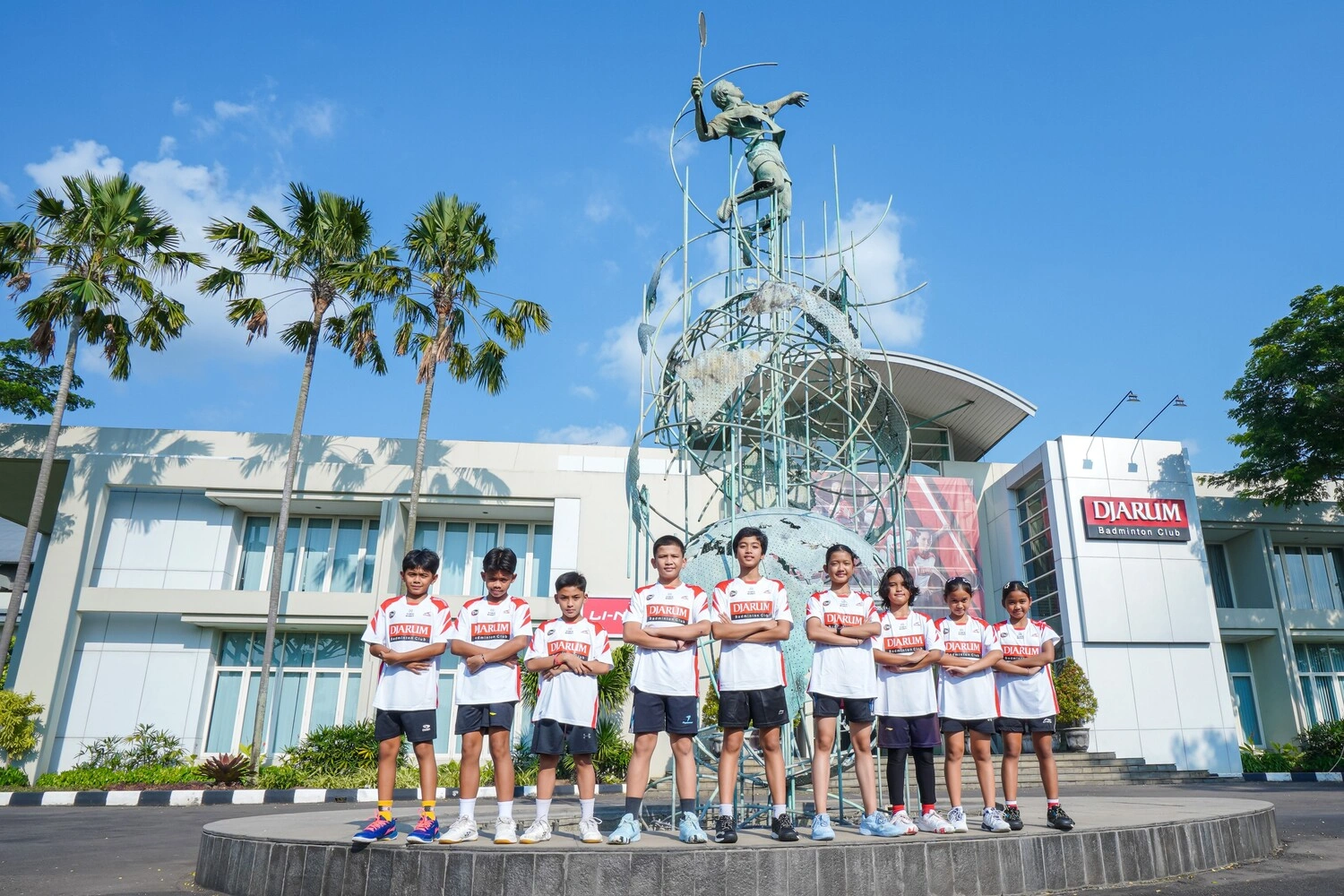
Founded in 1969 and officially launched in 1974 in Kudus, Central Java, PB Djarum was not initially an ambitious project aimed at producing world champions. It began as a way for Djarum employees to pursue their badminton hobby. However, when people outside the company began joining the training sessions and talents like Liem Swie King emerged, Budi Hartono saw greater potential. The community was then developed into a more serious badminton development organization.
That decision proved to elevate the prestige of Indonesian badminton. When Indonesia won the 1984 Thomas Cup in Kuala Lumpur, seven of the eight players on the Indonesian team came from PB Djarum, including Liem Swie King, Hastomo Arbi, Christian Hadinata, and Kartono. The next generation was no less impressive: Alan Budikusuma, Ardy B. Wiranata, Yuni Kartika, and Kevin Sanjaya Sukamuljo.
Interestingly, PB Djarum not only provides training facilities but also operates a talent scouting system through auditions held regularly in various cities. Athletes who qualify receive full scholarships, including dormitory housing, accommodation, nutritional support, competition gear, and coverage of expenses for participating in national and international tournaments.
PB Djarum collaborates with schools to ensure athletes can continue their education without having to sacrifice their training. The philosophy is clear: an athlete’s success is not measured solely by medals, but also by the character developed during their training.
Expanding into Soccer in the Land of Pizza
PB Djarum’s reach extends beyond badminton to the world’s most popular sport: soccer. And they’ve gone all out—Italy is where it’s at.
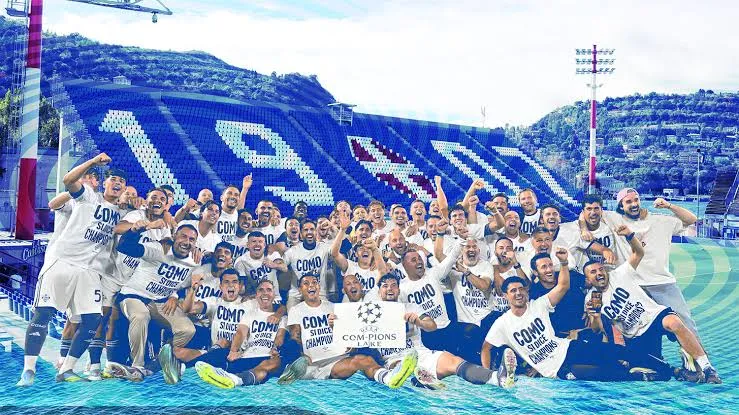
The Djarum Group (through SENT Entertainment) acquired the Como 1907 (Como) club in April 2019. At the time, Como was on the verge of bankruptcy and had been relegated to the fourth tier of the Italian League (Serie D). Following the acquisition, management restructuring was immediately implemented. Mirwan Suwarso was appointed Club President, and Chelsea legend Dennis Wise was named CEO to oversee the technical aspects of soccer. Football operations and business development were separated. Djarum also brought in big names in soccer such as Cesc Fabregas, Thierry Henry, and Raphael Varane to boost the team’s credibility and strategic direction.
As the owner of Como, Djarum implemented financial discipline and a long-term approach. The club was purchased at a low valuation, and the remaining debt was paid off. Senior players who were underperforming were released. A competitive squad for the long term was built. On the infrastructure front, Stadio Giuseppe Sinigaglia was renovated, and training facilities were modernized.
Building on this foundation, Como 1907 achieved consistent promotion: winning Serie D (2019), advancing to Serie C, moving up to Serie B (2021), and finally earning promotion to the top-tier Serie A. At its peak, Como competed strongly in the upper echelons of the Italian League and qualified for the UEFA Champions League.
The Agnelli Family: Building Juventus into a Global Brand
Another example comes from Italy via the Agnelli family, owners of FIAT. The family’s connection to Juventus began on July 24, 1923, when Edoardo Agnelli, son of FIAT founder Giovanni Agnelli, became president of the soccer club.
Under Edoardo’s leadership, Juventus transformed into a powerhouse club. The club began strengthening its professional foundation, developing facilities, and building a competitive team. The results were evident in the club’s success in winning five consecutive Serie A titles from 1931 to 1935. These achievements further solidified Juventus’s contribution to Italian soccer, including through players who were part of the Italian national team when it won the 1934 World Cup. This tradition continues to this day.
The Agnelli family’s involvement did not end with Edoardo. The next generation—Giovanni and Umberto Agnelli—also took on leadership roles and maintained the family’s connection to the club. Over the course of its long history, Juventus has evolved from a local Turin club into one of the world’s most recognizable soccer brands.
An important lesson from the Agnelli family is that cross-generational ownership and commitment can provide strategic continuity for a sports club. They built an organization capable of maintaining its competitiveness for decades.
From PB Djarum, Como, and Juventus, we learn that the involvement of family business owners can be a strategic strength in building sports institutions.
From Family Interests to National Interests
What can family business owners learn from these examples?
First, sports can play a strategic role in human development, public health, and national pride. Many family businesses recognize this. It’s no wonder they’re willing to invest substantial funds in building sports organizations.
Second, while financial support for a tournament is beneficial, establishing academies, talent scouting systems, training facilities, and athlete development programs will yield more sustainable results. This also serves as a means to build the family business’s reputation.
Third, fostering cross-generational leadership. When it comes to long-term thinking, family businesses are the experts. This helps ensure that sports programs don’t come to a halt when a new generation takes over.
Fourth, building collaborations with the government and the community. The business world doesn’t have to shoulder the entire responsibility for sports development. Rather, synergies with schools, universities, sports federations, local governments, and communities will expand the reach of athlete development.
Fifth, professionalism and sound management remain non-negotiable. Djarum seems to be fully aware of this. Selecting the right, competent people to manage finances has propelled Como’s achievements.
The story of PB Djarum, Como, and Juventus reminds us that a family business’s greatest legacy doesn’t always have to lie within the company itself. Sometimes, that legacy actually flourishes on the sports field, through young people who are given the opportunity to develop their potential and bring their nation’s name to the world stage.
#family business #legacy #PB Djarum #Juventus #Agnelli Family #social investment #cross-generational commitment #collaboration #Como #professionalism #modern management