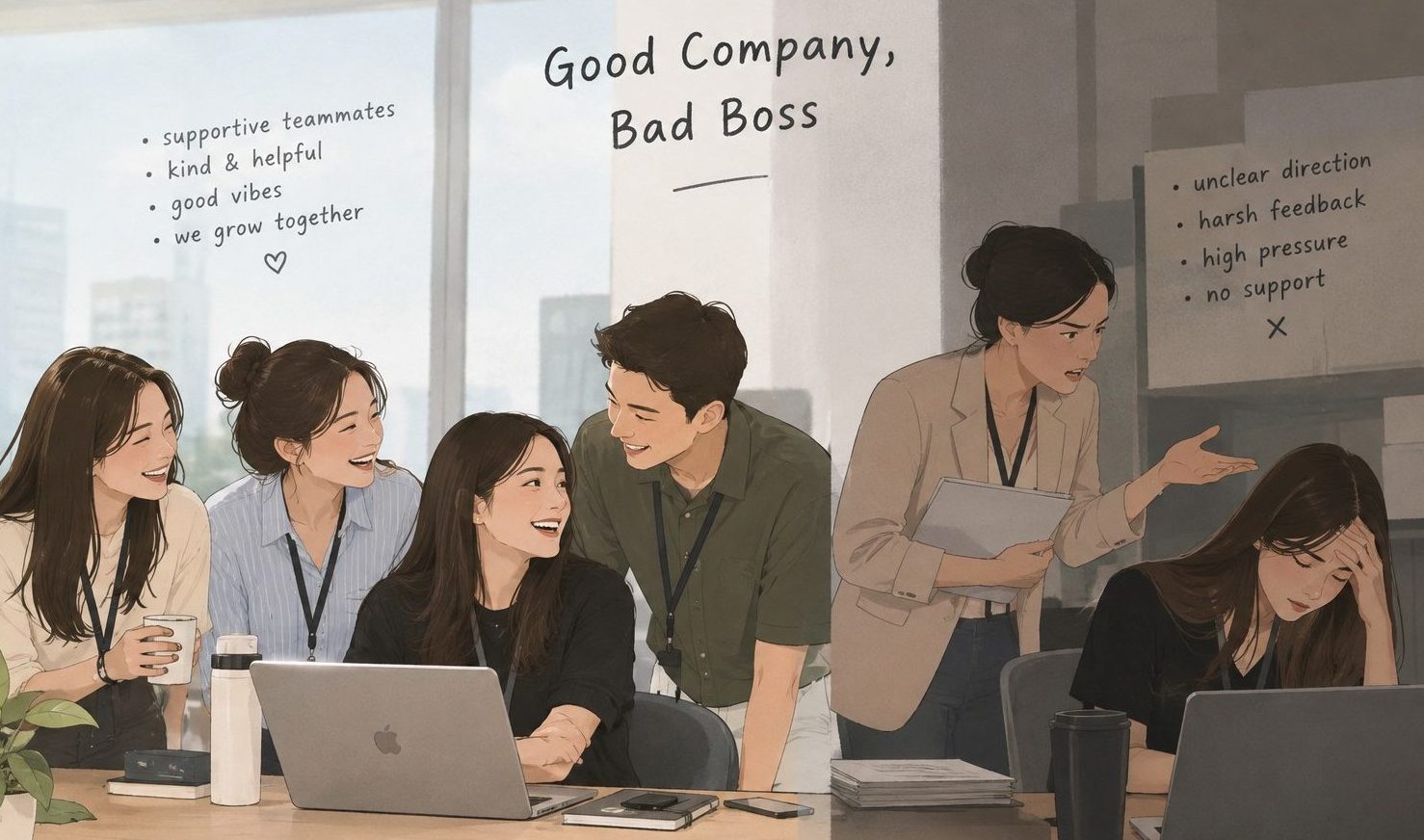
In the world of human resource (HR) management, one of the most difficult challenges arises when an employee delivers excellent results but, at the same time, makes the work environment feel like hell. Employees like this exceed targets, become a major source of revenue for the company, or possess skills that are hard to replace. However, they also have no qualms about humiliating others, taking credit for others’ work, disregarding ethics, and causing hurt and anxiety within the team. The organization is then faced with a dilemma: tolerate this behavior given the employee’s extraordinary contributions, or terminate them despite the risk of losing a “gold mine.”
At first, tolerance was a choice. Organizations made exceptions for star employees, viewing their bad behavior as the price to pay for their extraordinary talent, and hoping the problems would resolve themselves. Meanwhile, the star’s coworkers bore the emotional burden, and teamwork gradually frayed. The main danger lies not only in the poor behavior itself, but also in the impression that high performance somehow legitimizes rule-breaking—rules that should apply without exception.
Organizations do tend to prioritize easily measurable results, such as revenue, profit, productivity, sales growth, project completion, and individual KPIs. In contrast, behavior is often harder to measure, especially when its impact unfolds gradually. Imagine a sales director who consistently exceeds targets but frequently takes credit for the work of junior staff, intimidates team members, and withholds customer information from other departments. Senior executives may see only his stellar achievements. However, the people who work with him are constantly on edge in his presence, feel a sense of injustice, and find themselves caught in unnecessary conflicts. On the surface, that employee appears to be creating value. Beneath the surface, however, the organization actually bears costs that never show up on sales reports: colleagues who leave, a sense of fear that seems to have no end, knowledge that is no longer shared, time wasted resolving disputes, and missed opportunities due to a lack of harmonious cross-departmental collaboration.
If the impact is so significant, why do organizations continue to retain toxic employees? There are several reasons. First, their strong bargaining position stems from their outstanding results. Employees who generate significant revenue, possess rare skills, or maintain important relationships with clients are difficult to let go because managers fear losing a source of income, especially if a replacement is hard to find. Second, managers often mistakenly confuse difficult behavior with high work standards. A demanding attitude can be praised as a commitment to quality, even when it has turned into insults or intimidation. Aggression is framed as ambition, arrogance as self-confidence, and a reluctance to cooperate as independence. Third, organizations tend to reward what they measure. If performance evaluations place greater emphasis on
individual targets rather than collaboration, integrity, and leadership behavior, employees will get the message that results are more important than the process. Fourth, there is a psychological factor: managers who have recruited, promoted, or defended a star employee may find it difficult to admit that the person has become a liability. Instead of addressing the behavior, managers may downplay complaints or blame those who voice them.
However, a clear definition is necessary. Demanding, vocal, or difficult employees are not necessarily toxic. High-performing employees may criticize outdated practices, question leadership decisions they deem inappropriate, or push colleagues out of their comfort zones. Such behavior can be beneficial if it is based on valid evidence, while still respecting others and aiming to improve the organization.
Problems arise when differences of opinion turn into personal animosity, accountability becomes intimidation, or ambition becomes an excuse to exploit coworkers. Therefore, before drawing conclusions about an employee’s behavior, there are several questions that must first be answered. Does the behavior undermine others’ trust, fairness, cooperation, or psychological safety? Is the behavior recurring, rather than a one-time incident? And is the employee willing to take responsibility, acknowledge the impact of their actions, and make an effort to change when presented with credible evidence? These questions help distinguish performance issues that can still be remedied from destructive behavioral problems. These questions also prevent organizations from hastily labeling someone as “toxic,” as decisions must be based on documented behavior, consistent standards, and fair processes—not on personality clashes, rumors, or subjective likes and dislikes.
A decision to terminate should not be made hastily. In some cases, the behavior of a high-performing but difficult employee can still be corrected, especially if it stems from unclear expectations, a lack of feedback, or a previous manager who overlooked the inappropriate behavior.
The first step is to explicitly describe the incident that occurred, along with its impact and the expected behavior. An explanation such as “In three project meetings, you attacked colleagues personally instead of discussing their proposals, preventing the team from considering relevant alternatives” is far more actionable. Afterward, the organization must establish clear consequences so that employees understand that technical expertise or work performance—no matter how good—does not make them immune to established behavioral standards. The organization also needs to provide a reasonable opportunity for improvement. Progress should be judged by observable changes, not by promises or polite behavior that is merely superficial. Managers must also be consistent. An employee who behaves well only when senior executives are present may not have truly changed. The ultimate test is not whether the employee has become more pleasant, but whether they have stopped engaging in unpleasant behavior and are able to contribute productively without placing an unreasonable burden on others.
Finally, there are several situations in which an organization must terminate an employee. First, serious violations such as fraud, harassment, threats, retaliation, or discrimination. Organizations do not need to wait for repeated violations to take decisive action. Second, when an employee has repeatedly engaged in misconduct and reprehensible behavior despite various efforts to address the issue. Third, when the cost of retaining the employee outweighs the benefits. The costs and benefits here, of course, are not solely financial. For example, the work environment may become toxic due to the toxic employee’s actions. Fourth, if the impact of the toxic employee’s behavior has affected so many people that it threatens the organization’s credibility.
Before terminating an employee, ensure that the allegations have been thoroughly investigated. The employee must be given a fair opportunity to respond, and procedures must be followed in accordance with applicable labor regulations and internal policies.
#toxic employee #performance #behavior #HR management #work environment #emotional burden #conflict #standards of conduct #termination